Alif Baa Taa Dotted: A Handwritten Arabic Font for Branding
I was working on a brand identity project for a small handmade soap shop when I first came across Alif Baa Taa Dotted. The client wanted something warm, approachable, and rooted in tradition. After some research, I landed on this handwritten Arabic font from Script Amp, and it immediately felt like the right fit.
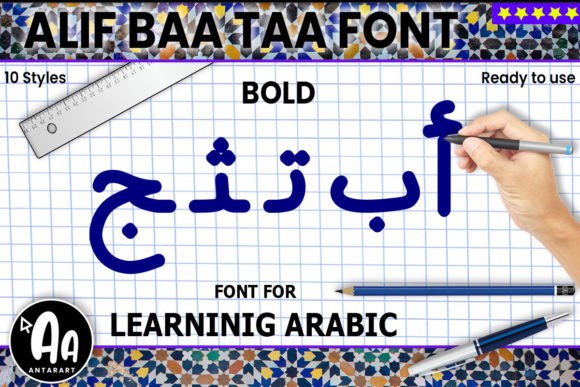
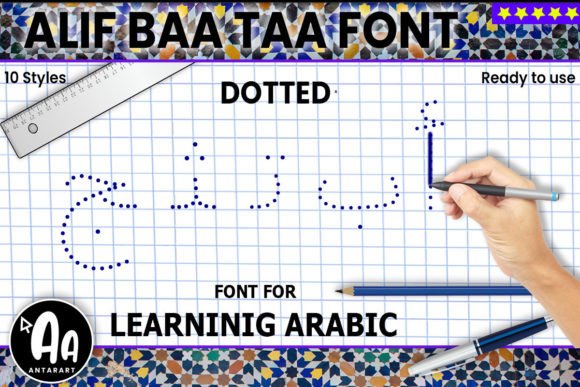
Alif Baa Taa Dotted is a beautifully crafted typeface that mimics the natural flow of handwriting. Each letter has a soft, organic feel with subtle variations in stroke weight and spacing. It’s not overly ornate or decorative, which makes it versatile for a range of applications. The dotted style adds just enough personality to stand out without overwhelming the design.
As I tested it on a logo concept, I noticed how well it complemented the brand’s aesthetic. The script elements gave the logo a personal, artisanal touch, while still maintaining clarity. It worked especially well when paired with a clean sans serif font for body text, creating a balanced visual hierarchy.
Testing Alif Baa Taa Dotted in Real Projects
I used Alif Baa Taa Dotted on a few different branding assets to see how it performed in various contexts. On a packaging mockup, it looked great on labels and product names, adding a handcrafted feel that aligned perfectly with the brand’s story. When I placed it on a business card, it added a sense of authenticity and warmth that traditional fonts often miss.
On social media graphics, the font stood out in headlines and callouts but needed to be used sparingly. Too much of it could become visually cluttered, especially in denser layouts. However, as an accent or short phrase font, it brought a unique energy to the designs.
The font also translated well to digital spaces. In a website header, it provided a friendly and inviting tone that matched the brand’s voice. The readability was good at larger sizes, though I would avoid using it for long blocks of text where legibility might suffer.
Strengths and Limitations of Alif Baa Taa Dotted
Alif Baa Taa Dotted shines in display and headline roles. Its characterful style makes it ideal for logos, packaging, and promotional materials where you want to convey a personal or artisanal vibe. The font is particularly suited for creative studios, boutique brands, and businesses that prioritize storytelling in their visuals.
However, it’s not the best choice for formal corporate settings or projects requiring high readability in small sizes. Long paragraphs of body text in this font can feel too informal and may not be suitable for professional reports or dense content sections.
One thing I appreciate about Alif Baa Taa Dotted is its multilingual support. As a learning resource, it helps users create educational materials like worksheets and flashcards. This makes it a valuable tool not just for designers but also for educators and content creators working with Arabic language resources.
Font Pairing and Practical Tips
When pairing Alif Baa Taa Dotted with other fonts, I found that combining it with a modern sans serif like Montserrat or a classic serif such as Playfair Display created a nice contrast. This combination works well for editorial design, where the handwritten font adds interest while the supporting typefaces ensure readability.
If you’re considering using Alif Baa Taa Dotted in your own projects, I recommend testing it in real-world scenarios before committing. Try it on a sample logo, a mockup of a product label, or a social media layout to see how it behaves in context. Pay attention to how it scales and how it interacts with other design elements.
Also, always check the commercial font licensing before using Alif Baa Taa Dotted in client work, brand identity systems, or print-on-demand products. Ensuring you have the proper rights will save you from potential legal issues down the line.
Overall, Alif Baa Taa Dotted is a versatile and expressive font that brings a human touch to any design. Whether you're working on a logo, packaging, or social media content, it offers a unique way to communicate your brand’s personality. Just remember to use it thoughtfully—where it enhances the message, rather than distracts from it.