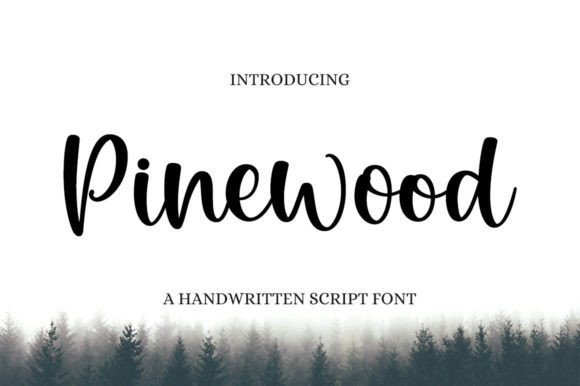
Pinewood Font for Web Design and Brand Identity
Pinewood is a handwritten font that brings a sense of elegance and flow to digital design. As a script font, it offers a delicate touch that can elevate the visual appeal of any website or digital product. Its well-balanced characters make it versatile for a variety of design applications.
Elegant Script Font for Digital Creativity
Pinewood’s flowing style makes it ideal for adding a personal and artistic feel to web content. The font's subtle curves and consistent stroke weight ensure that it remains readable even in smaller sizes. This readability is crucial when using it for headers, titles, or call-to-action buttons where clarity is key.
The font’s personality aligns well with creative industries such as design portfolios, boutique stores, and coaching websites. It exudes a sense of professionalism while maintaining an approachable tone, which can help build trust with users.
Using Pinewood in Website Layouts
For hero sections and landing pages, Pinewood works best as a display font for large headlines. Its elegant style draws attention without overwhelming the user. When paired with a clean sans serif font for body text, it creates a balanced visual hierarchy that enhances readability and user experience.
In online store banners, Pinewood can be used to highlight product names or promotional messages. Its soft, handwritten appearance adds warmth to the brand identity, making it suitable for niche markets or luxury products.
On blog headers or course sales pages, Pinewood helps establish a unique brand voice. Whether used for section headings or decorative accents, it supports a cohesive design language that reflects the brand’s personality.
Readability and Responsive Design Considerations
When using Pinewood on mobile screens, it's important to ensure that the font size is appropriate for legibility. Avoid using it in small buttons or dense text blocks where it might become difficult to read. For responsive layouts, test how the font renders across different screen sizes and adjust spacing and line height accordingly.
Pinewood performs well on both light and dark backgrounds, but careful contrast should be maintained to preserve readability. When applying image overlays or transparent backgrounds, consider how the font interacts with the underlying visuals to avoid blending into the background.
Font Pairing and Brand Consistency
A great way to use Pinewood is by pairing it with a complementary sans serif font for body copy. This combination ensures that the design remains modern and easy to read while still incorporating a touch of elegance. For editorial-style designs, a serif font could also work well alongside Pinewood to create a more refined look.
Consistency is key when integrating Pinewood into a brand’s visual identity. Ensure that it is used consistently across all digital assets, including logos, social media graphics, and email templates. This helps reinforce brand recognition and maintain a professional image.
Practical Applications for Pinewood
Pinewood is particularly effective for creative portfolios where a designer wants to showcase their work with a personal touch. Its flowing style complements photography, illustrations, and other visual elements, creating a harmonious layout.
Boutique online stores can benefit from Pinewood’s warm and inviting appearance. It can be used in product descriptions, banners, and promotional content to enhance the shopping experience and reflect the brand’s aesthetic.
Coaching websites and course sales pages often use Pinewood for headlines and subheadings. Its elegant yet approachable nature helps convey expertise and trustworthiness, encouraging users to engage further with the content.
For digital brand kits, Pinewood can serve as the primary font for logo design or taglines. Its versatility allows it to adapt to various formats, from print materials to digital marketing campaigns.
Choosing the Right Font Styles and Licensing
Before implementing Pinewood on a website, check the available styles, weights, and file formats. Ensure that the font supports the languages and characters required for your project. Webfont availability is essential for ensuring smooth rendering across different platforms and browsers.
If you plan to use Pinewood for commercial projects, always verify the licensing terms. Commercial font licenses are necessary for websites, client projects, online stores, and digital templates. Make sure that the license covers all intended uses to avoid legal issues.
Pinewood is a premium font that can significantly enhance the visual appeal of your digital projects. Whether you're designing a landing page, a portfolio site, or a branded email template, this font provides the right balance between elegance and readability.